

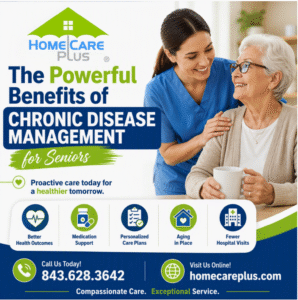
Chronic Disease Management in Seniors: Why It Matters More Than Ever
As people live longer, more older adults are managing one or more chronic health conditions. Diseases such as diabetes, heart disease, arthritis, hypertension, chronic obstructive pulmonary disease (COPD), and Alzheimer’s disease affect millions of seniors and often require ongoing monitoring and treatment. Healthcare providers are increasingly focusing on chronic disease management because it helps older adults remain healthier, more independent, and able to age safely in their homes.
Today, chronic disease management is one of the most important areas of senior healthcare. With the aging population continuing to grow, effective management of long-term health conditions has become essential for improving quality of life while reducing hospitalizations and healthcare costs.
What Is Chronic Disease Management?
Chronic disease management is a coordinated healthcare approach that helps individuals effectively manage long-term health conditions. Rather than treating illnesses only when symptoms worsen, chronic disease management focuses on prevention, monitoring, education, and ongoing support.
This approach may include:
Regular medical checkups
Medication management
Health monitoring
Lifestyle modifications
Nutrition guidance
Exercise programs
Care coordination among healthcare providers
Home care support
The goal is to help seniors maintain their highest possible level of health and independence.
Why Chronic Disease Management Is So Important for Seniors
1. Most Seniors Have Multiple Chronic Conditions
Many older adults are living with more than one chronic illness simultaneously. For example, a senior may have diabetes, high blood pressure, and arthritis at the same time.
Managing multiple conditions can be challenging because symptoms often overlap, medications may interact with one another, and treatment plans can become complex. Without proper management, these conditions can lead to serious complications and frequent hospital visits.
A structured chronic disease management plan helps ensure all aspects of a senior’s health are addressed in a coordinated manner.
2. It Helps Prevent Unnecessary Hospitalizations
One of the primary goals of chronic disease management is preventing medical emergencies before they occur.
Regular monitoring can identify warning signs early, including:
Rising blood pressure
Changes in blood sugar levels
Shortness of breath
Swelling in the legs or feet
Increased confusion
Changes in mobility
When healthcare providers, caregivers, and family members work together to address these concerns promptly, many hospital admissions can be avoided.
3. It Supports Aging in Place
Most seniors prefer to remain in their homes as they age.
Chronic disease management plays a critical role in helping older adults age in place safely. Through regular monitoring, medication reminders, healthy lifestyle support, and caregiver assistance, seniors can often remain independent for longer periods.
Home care services are especially valuable because caregivers can observe subtle changes in a client’s condition and communicate concerns before they become serious health issues.
4. Medication Management Improves Safety
Many seniors take multiple medications daily. While these medications are often necessary, managing them correctly can be difficult.
Common medication-related challenges include:
Missed doses
Taking medications incorrectly
Drug interactions
Duplicate prescriptions
Side effects
Effective chronic disease management includes medication reviews and adherence support, helping seniors stay on track with their treatment plans while reducing health risks.
5. Better Chronic Disease Management Improves Quality of Life
The purpose of managing chronic conditions is not simply extending life. It is about helping seniors enjoy life.
When chronic illnesses are well controlled, older adults often experience:
More energy
Less pain
Better mobility
Improved mental health
Greater independence
Increased participation in activities they enjoy
Even small improvements can make a significant difference in a senior’s daily life and overall well-being.
Common Chronic Conditions Affecting Seniors
Heart Disease
Heart disease remains one of the leading health concerns among older adults. Managing heart disease often involves medication adherence, healthy eating habits, exercise, and regular physician visits.
Diabetes
Diabetes requires consistent blood sugar monitoring, dietary management, and medication compliance. Proper management can prevent serious complications such as vision loss, kidney disease, and nerve damage.
Hypertension (High Blood Pressure)
Often referred to as the “silent killer,” high blood pressure can increase the risk of stroke, heart attack, and kidney disease. Regular monitoring is essential for maintaining healthy blood pressure levels.
Arthritis
Arthritis can significantly impact mobility and daily functioning. Chronic disease management helps seniors control pain while maintaining physical activity and independence.
COPD and Respiratory Diseases
Lung diseases can affect breathing and endurance. Monitoring symptoms and following treatment plans can help reduce flare-ups and improve overall respiratory health.
Alzheimer’s Disease and Other Dementia
Memory-related conditions require specialized care, ongoing monitoring, caregiver education, and safety planning. Early intervention often leads to better outcomes for both seniors and their families.
The Role of Caregivers in Chronic Disease Management
Family caregivers and professional caregivers play a vital role in supporting seniors with chronic conditions.
Caregivers may assist with:
Medication reminders
Appointment scheduling
Meal preparation
Exercise encouragement
Symptom observation
Transportation
Communication with healthcare providers
These services help create a strong support system that promotes better health outcomes and enhances quality of life.
How Home Care Services Make a Difference
Home care agencies are becoming an essential part of chronic disease management because they provide consistent support where seniors are most comfortable, at home.
Professional caregivers can help seniors:
Follow care plans
Maintain healthy routines
Stay physically active
Reduce fall risks
Monitor for changes in health status
Remain socially engaged
This personalized support not only improves safety but also reduces stress for family members who may be balancing caregiving responsibilities with work and other commitments.
Looking Ahead: The Future of Chronic Disease Management
Healthcare is increasingly shifting toward preventive, person-centered care. Advances in remote monitoring technology, telehealth services, wearable devices, and home-based healthcare programs are making it easier than ever to manage chronic conditions outside of traditional healthcare settings.
As the senior population continues to grow, chronic disease management will remain a cornerstone of quality elder care. By focusing on prevention, education, and coordinated support, healthcare providers, caregivers, and families can help older adults maintain their health, independence, and dignity throughout the aging process.
Conclusion
Chronic disease management is more than a healthcare strategy. It is a pathway to healthier aging. Through consistent monitoring, personalized care, medication management, and caregiver support, seniors can better manage long-term conditions while maintaining their quality of life.
Hospital to Home Care in Charleston, SC by Home Care Plus
For families, investing in proactive chronic disease management today can lead to fewer medical emergencies, reduced hospitalizations, and greater peace of mind tomorrow.
Home Care Plus
📞 843-628-3642
🌐 www.home-care-plus.com
🔵 Facebook: Follow Home Care Plus on Facebook
📸 Instagram: Follow Home Care Plus on Instagram
𝕏 X (Twitter): Follow Home Care Plus on X

We provide a comprehensive ongoing needs assessment by a Registered Nurse identifying an individual’s and his/her support system’s strengths, weaknesses, limitations, objectives and service needs. With the focus on health, psychosocial and environmental factors we develop an individualized plan of care based on the needs assessed. The plan of care is tailored to fit changing needs and thoroughly reviewed with the client, family members and/or responsible parties.
- Chronic Disease Management for Seniors: Why It Matters? - September 24, 2026
- The Ultimate Way to Talk to an Aging Parent About Driving Safety - September 22, 2026
- World Alzheimer’s Day: See the Person First - September 21, 2026